

Understanding the Basics of Casino Games
Casino games have captivated players for generations, offering a blend of excitement, social interaction, and the allure of substantial financial rewards. At the heart of the gaming experience lies the ongoing debate between luck and skill. While games such as slot machines are predominantly governed by randomness, others like poker and blackjack incorporate significant strategic elements and decision-making processes. Understanding these aspects, especially when considering a fast withdrawal online casino australia , is crucial for players seeking to enhance their gameplay experience.
Many individuals enter casinos with the common belief that luck reigns supreme in determining success. They view the outcomes of games as random occurrences, where hitting a jackpot or losing a hand is merely a matter of fate. However, this perspective does not fully capture the intricate dynamics of casino gaming. In skill-based games, players can utilize their knowledge of probabilities and game mechanics to bolster their chances of winning, showcasing that skill can indeed wield considerable influence in the casino arena.
This conversation is vital not only for beginners but also for experienced gamblers looking to refine their strategies. Identifying the differences between luck-driven and skill-driven games empowers players to make educated decisions that can significantly impact their gaming experience and financial results. By discerning when to lean on luck and when to sharpen their skills, players can optimize their gameplay in a manner that resonates with their personal gambling preferences and objectives.
The Impact of Luck on Casino Gameplay
Luck is an undeniable element in casino gaming, especially in games primarily dictated by chance, such as slot machines and roulette. In these instances, every spin of the wheel or pull of the lever is independent, meaning players have no ability to influence or predict the outcomes. The thrill of luck can lead to exhilarating victories when a player wins unexpectedly, reinforcing the magnetic appeal of these games. For many, the excitement of potentially striking it rich serves as a primary draw to casinos, as each game becomes a thrilling gamble.
While luck can yield sudden and unpredictable wins, it is crucial to acknowledge its limitations. Solely relying on luck without incorporating strategic considerations may result in inconsistent wins and losses over time. Players who chase the thrill of luck can easily find themselves ensnared in cycles of reckless betting, often without a real understanding of their odds. This approach can lead to disappointment and financial setbacks, underscoring the necessity of balancing luck with a solid grasp of game mechanics and strategy.
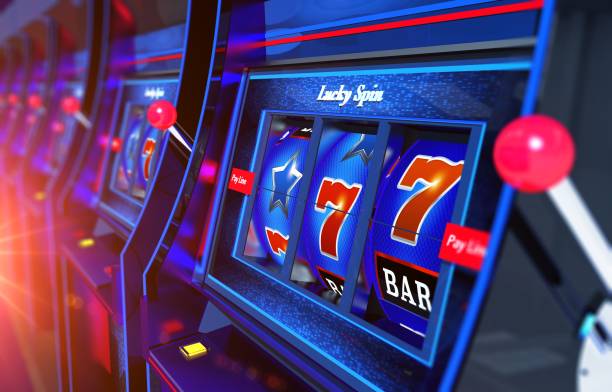
Moreover, understanding the odds can magnify luck’s role in gameplay. For instance, a player might feel fortunate betting on red in roulette, yet statistically, the house edge ensures that the game favors the casino over time. Therefore, while luck can be alluring and occasionally rewarding, it should be complemented by informed strategies to foster a more sustainable approach to gaming. This delicate balance between luck and informed decision-making can greatly enhance the overall casino experience and enjoyment.
The Role of Skill in Games of Strategy
In stark contrast to luck-driven games, skill-based games like poker and blackjack necessitate a more strategic approach from players. Success in these games often hinges on the player’s capacity to read situations, assess their opponents, and make calculated decisions. Players can implement a variety of strategies, such as bluffing in poker or card counting in blackjack, which can tilt the odds in their favor. This strategic dimension makes these games particularly appealing, as they offer players a sense of control over outcomes that luck-based games lack.
Skill also equips players to adapt to the evolving dynamics within a game. In poker, for example, a player’s ability to interpret their opponents’ behaviors can significantly enhance decision-making, such as determining whether to fold or increase their bets. This cognitive engagement is often what draws players back to the tables, as they relish the challenge of outsmarting others while navigating the complexities of the game. Thus, skill not only influences winning outcomes but also enriches the overall enjoyment of the gameplay experience.
However, mastering these skill-based games demands time, practice, and a readiness to learn from defeats. Players who dedicate themselves to improving their skills typically find that their results improve markedly, reinforcing the notion that skill can indeed surpass luck in the long run. As players develop their strategies over time, they can experience a heightened sense of accomplishment and fulfillment, knowing their success is a direct result of their expertise rather than mere chance or fortune.
Combining Luck and Skill for Optimal Gameplay
The intricate interplay between luck and skill presents a complex picture, but recognizing how these two elements can complement one another can significantly enhance a player’s overall experience in the casino. While skill-based games rely on a player’s expertise, they still incorporate an element of luck that can influence the outcome of any hand or round. Conversely, although luck-driven games may lack strategic depth, informed players can still leverage knowledge about odds and bet sizing to maximize their potential for success.

For example, a seasoned poker player who understands probabilities and situational strategies will often outperform a novice who relies solely on luck. Yet, even the most skilled player cannot completely evade the whims of chance; an unexpected card or twist of fate can shift the outcome of a game in an instant. This unpredictability adds to the thrill of gameplay, making the combination of luck and skill a captivating dynamic that resonates throughout the casino environment.
Ultimately, players who can successfully balance the development of their skills with an acknowledgment of luck’s role are likely to enjoy a more rewarding gaming experience. Embracing both elements fosters a realistic perspective on gameplay and cultivates an atmosphere where enjoyment and responsible gambling coexist harmoniously. By effectively integrating these two approaches, players can formulate strategies that not only improve their odds but also enhance their overall enjoyment of the vibrant casino landscape.
Choosing the Right Casino for Your Gameplay
When contemplating the influence of luck versus skill in casino gameplay, selecting the right venue can significantly affect your overall experience. Different casinos feature a diverse array of games that present varying degrees of skill and luck requirements. Some establishments may focus more on high-stakes skill-based games like poker tournaments, while others cater to a more casual audience seeking the adrenaline rush of luck-driven slot machines. Therefore, understanding your preferred gameplay style is key to making an informed choice when selecting a casino.
Moreover, reputable casinos often offer educational resources and guidance for players eager to enhance their skills. Many venues provide tutorials and practice games that allow newer players to familiarize themselves with strategies and game rules, effectively bridging the gap between skill and luck. These resources can prove invaluable for anyone aiming to elevate their gameplay and increase their chances of success in the casino environment.
Lastly, the overall ambiance of a casino can profoundly influence your gaming experience. A welcoming, friendly atmosphere can enhance the enjoyment of gameplay, while a more competitive environment may intensify the stakes of skill-based games. By choosing a casino that aligns with your gaming preferences and offers opportunities for both skill development and luck-based enjoyment, you can cultivate a more enriching and entertaining casino experience that resonates with your personal style and gaming goals.